Uzbekistan Sewage Treatment Plant Project
Sep 16, 2025
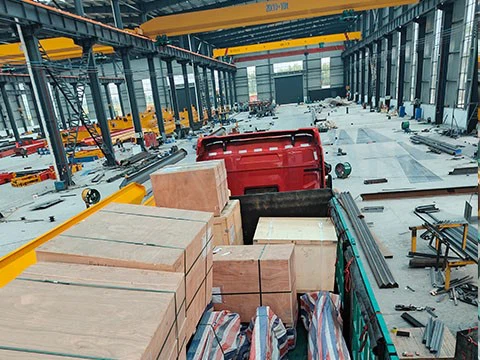
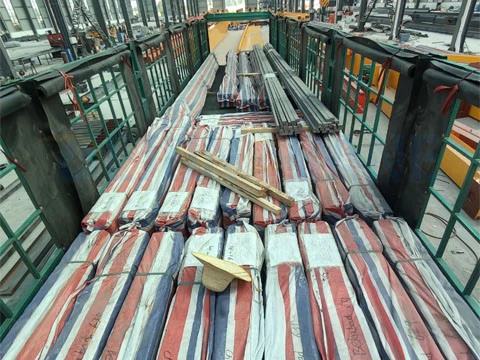
Order Details
|
Item
|
Ordered Quantity
|
|
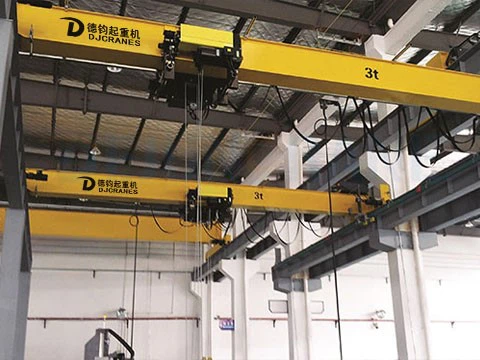
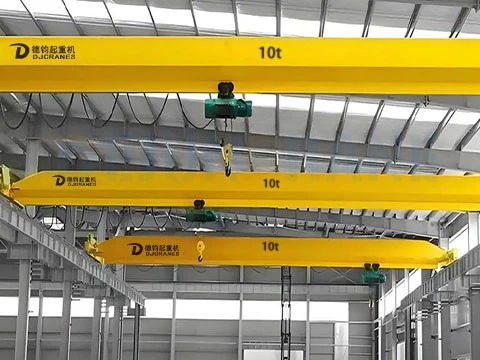
5 ton single girder overhead crane
|
10 sets
|
|
3-ton single-beam overhead crane
|
8 sets
|
|
2-ton single girder bridge crane
|
4 sets
|
|
5 ton wire rope hoist
|
12 sets
|
|
3-ton electric wire rope hoist
|
8 sets
|
|
2-ton wire rope electric hoist
|
4 sets
|
single girder overhead crane vs Electric Wire Rope Hoist
What is a single girder overhead crane?
What is an electric wire rope hoist?
A wire rope electric hoist is a light and medium-duty lifting equipment. It mainly uses a wire rope as the transmission medium and a motor as the power source. It can be used independently or integrated as a core component into single-girder bridge cranes and gantry cranes. The wire rope hoist is used for lifting and moving light to medium materials. It works well in small spaces.
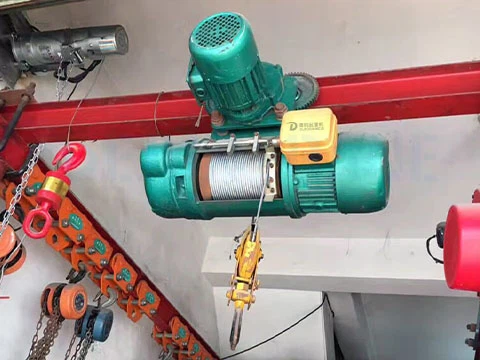
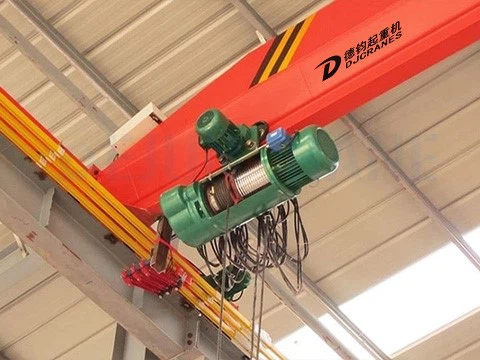
What Is The Difference?
|
Item |
Single Girder Overhead Crane |
Electric Wire Rope Hoist |
|
Equipment attributes |
Complete "bridge crane system" |
Core "lifting actuating device" (can be used independently / in conjunction with others) |
|
Core functions |
Three-dimensional (horizontal + vertical + longitudinal) large-span lifting |
Two-dimensional (horizontal + vertical) or only vertical light to medium-sized lifting |
|
Structural complexity |
Complex (including main beam, crane/trolley mechanism) |
Simple (core is a hoisting mechanism) |
Why do water treatment plants use lifting equipment?
As I mentioned earlier, the process characteristics, equipment features, and operational requirements of the waste incineration industry require that they rely on lifting equipment. The core reasons can be summarized in four points:
1. The core equipment in water treatment plants generally has the characteristics of being heavy and large in size. The installation, replacement, and maintenance of the equipment cannot be carried out, which will directly lead to the shutdown of the sewage disposal plant.
2. There are obvious space limitations in the structures and workshops of water treatment plants. Sedimentation tanks and filter tanks are mostly long and deep, and the equipment is located at the bottom or inside the tanks, making it impossible for ground forklifts or cranes to enter. Single-girder bridge cranes can cross large-span spaces through top tracks, and wire rope hoists can move flexibly in narrow workshops and accurately reach the operation points, solving the problem of space limitations.
3. Water treatment plants operate continuously. If equipment failure leads to a shutdown, it will affect the water supply of the city. Lifting equipment can significantly shorten the equipment maintenance time, greatly reduce the loss of shutdown, and ensure the continuity of the process.
4. There are problems of high intensity and high risk in material handling and equipment maintenance in water treatment plants.
Lifting equipment can replace manual labor to complete high-intensity and high-risk operations.