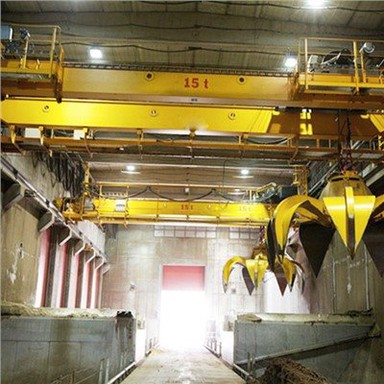
Key Points For On-site Inspection Of Lifting Machinery (gantry Crane)
Oct 30, 2023
Key points for on-site inspection of lifting machinery (gantry crane)
1. Foundation and track inspection
Check whether the gantry crane track foundation has any settlement, fracture or cracking. Inspect the tracks for cracks, severe wear and other defects.
Check the contact between the track and the track foundation, and it must not be suspended from the foundation.
Check whether the track joints meet the requirements, generally 1-2MM, 4-6MM is appropriate in cold areas. Check the lateral misalignment and height difference of the track, which should not be greater than 1MM. Check the fixation of the track. The pressure plate and bolts should not be missing. The pressure plate and bolts should be tight and meet the requirements. Check the track connection plate connection.
Check whether the longitudinal slope of the track meets the design requirements. The general requirement is 1‰. The whole process is no more than 10MM. Click here: Complete collection of practical engineering information
The height difference of the same cross-section track is required to be no more than 10MM. Check whether the track gauge is too deviated. It is required that the deviation of the track gauge of the large car does not exceed ±15MM. Or determine according to the parameters in the gantry crane operating instructions.

2. Inspection of steel structure parts
Check the tightening condition of the connecting bolts of the gantry crane leg flange. Check the connection of the connecting planes of the leg flange.
Check the weld condition of the outrigger connecting flange and outrigger column.
Check whether the pins connecting the outriggers to the tie rods are normal, whether the connecting bolts are tight, and whether the tie rods are connected to the ear plates and the outriggers by welding. Click here: Complete collection of practical engineering information
Check the tightening of the connecting bolts between the lower beam of the outrigger and the outrigger and the tightening of the connecting bolts between the lower beams.
Check the welding seam condition of the beam welding area under the outrigger.
Check the tightness of the connecting bolts between the cross beams on the outriggers, the outriggers and the main beam.
Check the welding conditions of the beams and welding parts on the legs.
Check the connection condition of the main beam connection parts, including the tightening condition of the pins or connecting bolts, the deformation of the connecting joints, and the welding conditions of the connecting joints. Check the welds at each welding point of the main beam, focusing on whether there are tears in the welds on the upper and lower chords of the main beam and the web bars. Check whether the overall main beam has deformation and whether the deformation is within the specification.
Check whether there is a large height difference between the left and right main beams and whether it is within the specification.
Check whether the cross-connection between the left and right main beams is connected normally, and check the welding seam of the cross-connection lug plate.

3. Inspection of the running part of the truck
Check the wear and cracking of the running wheel, whether there is serious deformation, whether there is severe wear of the rim or no rim, etc. Check whether the reducer lubricating oil is sufficient and the lubricating oil quality.
Check whether the reducer box is cracked and whether there is oil leakage.
Check the fixing condition of the reducer.
Check whether the brake is working properly.
Check the brake clearance, brake pad wear, and brake wheel wear. Check the connection of the coupling, the tightening of the connecting bolts and the wear of the elastic connectors. Check the tightness and protection of the motor.
4. Inspection of the main lifting mechanism
Check the wear and cracking of the running wheel, whether there is serious deformation, whether there is severe wear of the rim or no rim, etc.
Check the condition of the trolley's running track, including track seams, wear and damage.
Check the lubricating oil condition of the traveling part reducer. Check the braking condition of the traveling part.
Check the fixation of each component of the traveling part. Check the fixation of the hoisting wire rope end on the hoisting winch.
Check the lubrication condition of the hoisting winch reducer, including the capacity and quality of the lubricating oil.
Check whether there is oil leakage in the hoisting winch reducer and whether the reducer is damaged.
Check the fixing condition of the reducer.
Check whether the hoisting winch brake is working properly. Check the brake clearance, brake pad wear, and brake wheel wear. Check the connection of the coupling, the tightening of the connecting bolts and the wear of the elastic connectors.
Check the tightening and protection of the motor. For those with hydraulic braking systems, check whether the hydraulic pump station is working normally, whether there is oil leakage, and whether the braking pressure meets the requirements. Check the wear and protection of the pulleys.
Check the fixation of each component.

5. Inspection of auxiliary lifting mechanism
Check the connection between the electric hoist's running track and the main beam and the wear of the track. Check the connection of the running track, including whether the connecting plates and connecting bolts are tight, and whether the track connection joints meet the operating requirements.
Check the wear of the electric hoist's traveling wheels and whether the gap between the traveling wheels and the track web meets safety requirements.
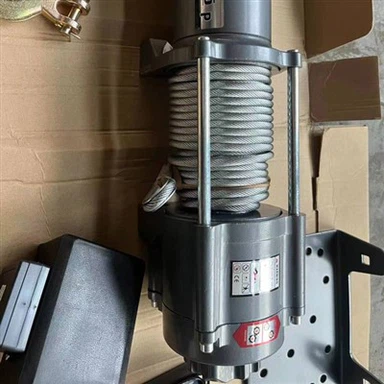
Check the winding condition of the lifting wire rope on the electric hoist. Check whether the wire rope arranging device of the electric hoist is working properly or is damaged.
Check the working condition of the electric hoist's brake and the wear of the brake pads. Check whether the brake clearance and braking force meet the requirements.
Check the fixation of the wire rope end on the electric hoist.
Check the tightening condition of the connecting bolts at each connecting part.
6. Inspection of hooks and wire ropes
Check the wear of the hook. Check the configuration and damage of the hook sealer. Check the operation and wear of the hook pulley and whether there is a device to prevent the wire rope from jumping.
Check the lubrication of moving parts. Check the usage condition of the steel wire rope to see if there is any deformation, such as knotting, extrusion deformation, cuts, broken strands, corrosion, blackening at high temperatures, thinning of the rope diameter, etc. Check the fixation of the wire rope ends.
7. Inspection of ancillary structures
Check the fixation of the gantry crane up and down the stairs. Check the fixation of each platform.
Check the fixation of stair handrails and platform handrails.
Check the fixation of the operating room.

8. Inspection of safety devices
Inspection of the safety device for the operation of the trolley, including whether the travel limit switch is installed and working normally, whether the travel limit stop is installed and firm, whether the electric or hydraulic iron shoes are installed as required and working normally, and whether the rail clamp is installed and working as required. Works fine.
Check whether the cart's movement correction device is installed and working properly. Check whether the windproof cable is installed. Check that the ground anchors are installed correctly and functional.
Check whether the trolley running buffer device is installed.
Check whether the audible and visual alarm device for the operation of the cart is installed and whether it can work normally.
Check whether the safety devices of the lifting mechanism are complete and working properly. Including trolley operation limit device, limit stop, lifting height limiter, and lifting weight limiter.
Check whether the configured monitoring system is working properly. Check that the anemometer is working properly.
9. Inspection of electrical parts
Check whether the cables in various parts are damaged, hanging objects, or the support connection is not firm, etc.
Check whether the protective covers of each motor are complete and intact. Check whether the appearance of each motor is intact without damage, the junction box and cover should be intact, whether the wire terminals are tightened, and whether there are any damage or breakage of wires.
Check whether all limit switches are complete and intact.
Check whether the lighting is intact.
Check the protection condition of the control cabinet.
Check the components and wiring conditions in the control cabinet.
Check that the electrical components in the operating room are intact.
Check whether the main cable drum is working properly.
Check whether the cable slide rail of the crane is normal and whether the cable moves normally on the slide rail when the crane is running. Check whether the cable slide rail of the electric hoist is working properly and whether the cable moves normally on the slide rail when the electric hoist is running.
Check the brake cable joint and cable condition.

10. On-site usage status inspection
Check whether there are any obstacles near the gantry crane track that may affect the operation of the gantry crane. Check each platform and truss for any scattered objects. Check whether there are any obstacles affecting the operation of the gantry crane up, down, and left.