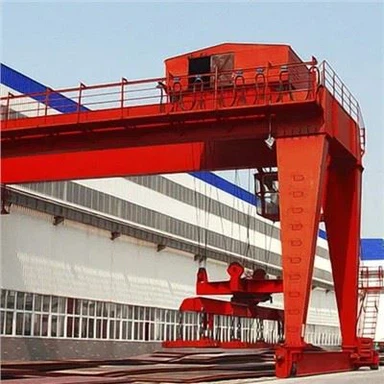


Boosting Productivity: How Metallurgical Double Hoist Cranes Can Make A Difference
Jan 22, 2024
Metallurgical Double Hoist Cranes, with their specialized design and advanced features, have the potential to make a significant difference in the metallurgical industry. From enhancing efficiency to ensuring safety in challenging environments, these cranes play a transformative role in metallurgical processes. Here's an in-depth exploration of how Metallurgical Double Hoist Cranes can make a difference:
1. Efficiency in Material Handling:
The primary impact of Metallurgical Double Hoist Cranes lies in their ability to handle multiple loads simultaneously. This efficiency in material handling is crucial in metallurgical processes where the movement of heavy loads, often including molten metal, is a routine task. By lifting and transporting multiple loads at once, these cranes significantly reduce downtime and contribute to a more streamlined workflow.
2. Optimized Productivity:
The simultaneous handling of multiple loads directly translates to optimized productivity. Metallurgical processes are time-sensitive, and any improvement in operational efficiency can lead to substantial gains. Metallurgical Double Hoist Cranes enable faster and more efficient material movement, allowing for increased production rates and the timely completion of tasks.
3. Versatility in Load Capacity:
Metallurgical processes involve a diverse range of materials with varying weights. The dual hoists of these cranes provide versatility in load capacity, ensuring that they can effectively handle heavy and irregularly shaped loads. This adaptability is crucial in metallurgical applications where the nature of materials being transported can vary widely.
4. Precision in Material Placement:
Precision is paramount in metallurgical operations, especially when dealing with sensitive materials or intricate processes. Metallurgical Double Hoist Cranes are equipped with advanced control systems that offer precise control over material movement. This precision ensures the accurate placement of heavy loads, contributing to the overall quality of metallurgical processes.

5. Durability in Harsh Environments:
Metallurgical environments are known for their harsh conditions, including high temperatures and exposure to corrosive substances like molten metal. They are specifically designed to withstand these challenges. The use of durable materials and protective measures ensures that the cranes maintain their structural integrity over time, even in the most demanding environments.
6. Enhanced Safety Measures:
Safety is a top priority in metallurgical processes due to the hazardous nature of the materials involved. Metallurgical Double Hoist Cranes come equipped with a range of safety features, including overload protection, emergency braking systems, and redundant mechanisms. These safety measures mitigate the risks associated with handling heavy loads, creating a secure working environment for both operators and other personnel.
7. Reduction in Operational Costs:
While the upfront investment in specialized equipment is significant, the long-term impact of Metallurgical Double Hoist Cranes includes a reduction in operational costs. The efficiency gains, increased productivity, and durability of these cranes contribute to lower maintenance costs and improved overall cost-effectiveness in metallurgical operations.
8. Adaptability to Custom Requirements:
Metallurgical Double Hoist Cranes offer a high degree of adaptability and customization. They can be tailored to meet the specific spatial constraints, material types, and operational requirements of different metallurgical processes. This adaptability ensures that the cranes seamlessly integrate into existing workflows, enhancing overall operational efficiency.
Metallurgical Double Hoist Cranes make a substantial difference in the metallurgical industry by improving efficiency, optimizing productivity, ensuring safety, and providing adaptability to diverse operational requirements. As key contributors to the smooth and controlled movement of heavy materials, these cranes play a pivotal role in supporting the growth and success of metallurgical processes in challenging industrial environments.