What Does The Lifting Capacity Of A Bridge Crane Depend On?
Jan 25, 2024
What does the lifting capacity of a bridge crane depend on?
Bridge cranes are indispensable equipment for modern production. They are widely used in the lifting, transportation, loading and unloading of various materials, and personnel transportation in various industries such as metallurgy, coal, and electricity, thus greatly reducing the burden of physical labor. Strength, improve labor productivity.
It is a mechanical equipment that lifts, lowers, or lifts and transports materials through lifting hooks or other spreaders in an intermittent and repetitive working manner. When transporting materials, it undergoes loading, transportation, unloading and return to the original location. In the process of handling, the scope of work is large and there are many risk factors, so a high level of safety is required.
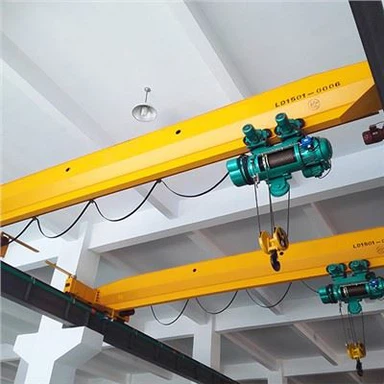
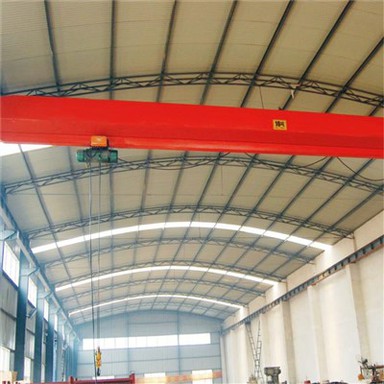
Bridge cranes generally consist of three major parts: mechanical, electrical and metal structures. The appearance of the 10 ton bridge crane is like a single-span flat bridge with both ends supported on two parallel overhead rails and running in translation.

How to calculate the lifting capacity of an overhead crane?
The lifting capacity of the bridge crane needs to be calculated based on specific equipment parameters. Generally speaking, lifting capacity is related to factors such as lifting height, lifting distance, and working level. The specific calculation method is as follows:
Lifting capacity = maximum load × lifting distance ÷ (0.8 × lifting height × working level)
Among them, the maximum load refers to the maximum weight that the equipment can carry, in tons; the lifting distance refers to the horizontal distance required for the hook to move from the cantilever end to the maximum working distance, in meters; the lifting height refers to the height of the hook from the ground The distance required to rise to the maximum height, in meters; the working level is the natural working level of the equipment designed and tested according to certain standards.

What affects the lifting capacity of an overhead crane?
The lifting capacity of bridge cranes is affected by many factors, including the following aspects:
1. Equipment structure: The more stable and solid the structure of the 10 ton bridge crane, the greater its lifting capacity.
For example, a single-girder bridge crane has only one main beam and has a relatively small load-bearing capacity and is suitable for small and medium-sized lifting operations; while a double-girder bridge crane has two main beams and has a large load-bearing capacity and is suitable for large-scale lifting operations. Operation.
2. Lifting speed: A bridge crane with a faster lifting speed has a correspondingly larger lifting capacity.
For different working environments, different working speeds are used. The crane does not only have one working speed when working. Because the working speed of the bridge crane includes the lifting speed, the running speed of the trolley and the running speed of the trolley.
Generally, a bridge crane with a faster lifting speed has a correspondingly larger lifting capacity. However, in practical applications, high speed is generally preferred for cranes with medium and small lifting capacity to improve productivity, while low speed is preferred for cranes with large lifting capacity to reduce driving power and improve operation stability and safety.
3. Working level: The higher the working level of a bridge crane, the greater its lifting capacity.
Note: The working level of the crane does not depend on the lifting capacity, but depends on the changes in lifting capacity, load frequency and project busyness.
4. Working environment: The working environment of the 10 ton bridge crane will also affect its lifting capacity, such as wind, temperature, humidity and other factors.
For example, in severe weather conditions such as strong winds and lightning, the lifting capacity of overhead cranes will be limited by the environment. In addition, lifting equipment in different industries also have different requirements for lifting capacity. Users need to choose a crane suitable for their industry according to their actual needs.