

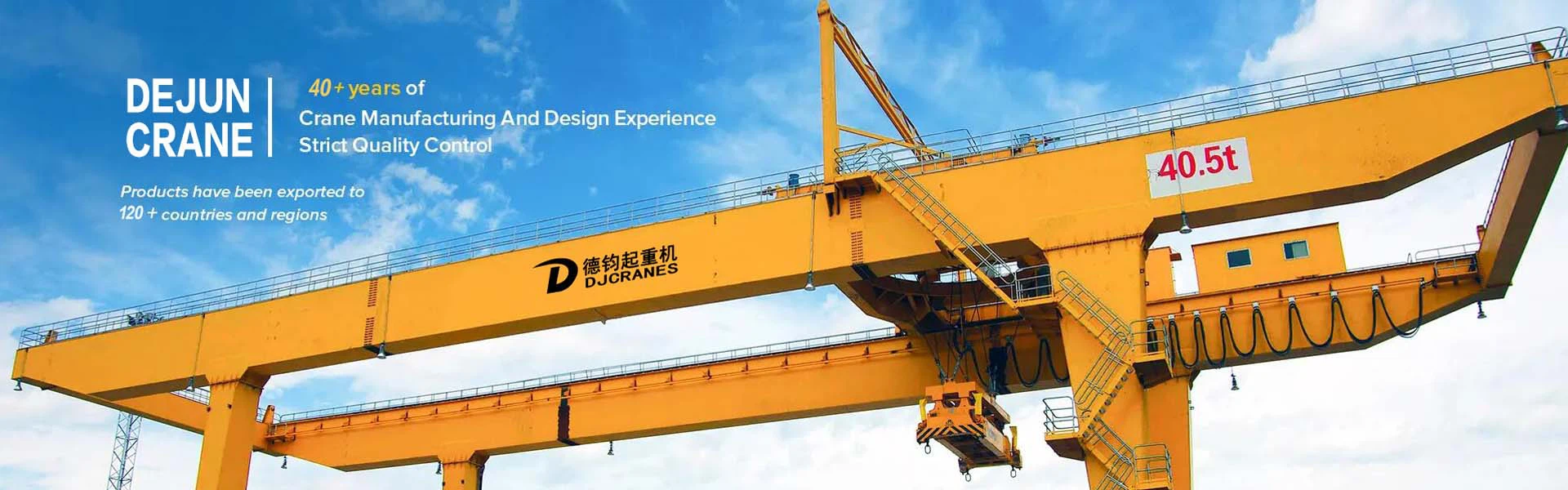

3 Ton Overhead Crane
3 Ton Overhead Crane Introduction: When it comes to buying a 3-ton overhead crane, it can be a challenging task for many people because there are various parameters that need to be determined. Overhead cranes have many applications in various industries such as manufacturing, construction, and...
- Fast Delievery
- Quality Assurance
- 24/7 Customer Service
Product Introduction
3 Ton Overhead Crane
Introduction:
When it comes to buying a 3-ton bridge crane, it can be a challenging task for many people because there are various parameters that need to be determined. Overhead cranes have many applications in various industries such as manufacturing, construction, and warehouse facilities. They are used for lifting and moving heavy loads around the facility, which can help in improving productivity and efficiency. This article will outline the necessary parameters that need to be determined before purchasing a 3-ton overhead crane.

1. Determine the Lifting Capacity:
The lifting capacity is the most critical parameter to determine before purchasing an overhead crane. The maximum lifting capacity of a crane is based on the weight of the load that needs to be lifted. Thus, it is important to determine the maximum weight of the load that needs to be lifted before selecting the crane's lifting capacity. In the case of a 3-ton bridge crane, it can lift up to a maximum of 6000 lbs.
2. Determine the Span:
The span is the distance between the center of the two runways over which the bridge travels. It is also referred to as the distance between the center of the two support columns. The span should be measured first, as it plays a vital role in determining the crane's bridges and end trucks' size. Typically, the span for a 3-ton bridge crane falls within the range of 20ft to 60ft.
3. Determine the Height of Lift:
The height of lift refers to the distance from the lower edge of the crane's hoisting hook to the floor level when the hoist is fully extended. It is an essential parameter to consider when deciding the lifting height that the crane needs to cover. It helps in determining how high the crane's hook needs to be to accomplish the given lifting task.
4. Determine the Speed:
The speed of the bridge crane is another vital parameter to determine. The crane's speed comprises two types, the lifting speed, and the trolley & bridge speed. The lifting speed refers to how quickly the crane's hoist can lift the load, while the trolley & bridge speed is the speed at which the crane's trolley and bridge can move. The speed of the crane will depend on the application of the crane in different industries. For a 3-ton overhead crane, the lifting speed should be between 7-10 ft per minute, and the bridge and trolley speed should be between 70-100ft per minute.
5. Determine the Duty Cycle:
The duty cycle refers to the number of operating cycles per hour or day. It is an important parameter to consider when deciding on the crane's duty cycle because it can help in determining the optimal performance for the crane's intended application. The duty cycle can range from light duty to heavy-duty applications. For a overhead crane, the duty cycle must be determined depending on the application.
6. Determine the Environment:
The environment in which the crane will operate is an essential parameter to consider. It is important to determine if the environment is dirty, dusty, or corrosive as that will determine the type of crane required. Different environments would require different features for durability and reliability. For instance, if the crane is to be used in an environment with high heat, the crane will need to have various components that can withstand the heat.

Parameters:
|
Lifting Weight(t) |
1 |
2 |
3 |
5 |
10 |
16 |
Customized |
|||||||||||||||||||||
|
Span(m) |
7.5 |
10 |
15 |
18 |
8 |
13 |
18 |
27 |
7.5 |
12 |
18 |
23 |
8 |
12 |
15 |
18 |
8 |
12 |
15 |
20 |
12 |
19 |
25 |
28 |
Customized |
|||
|
Working Speed |
Ground 20 |
Ground 20 |
Ground20
|
Ground 20 |
Customized |
|||||||||||||||||||||||
|
Hoisting Height(m) |
Customized |
|||||||||||||||||||||||||||
|
Working Class |
A4 or Customized |
|||||||||||||||||||||||||||
|
Electric Current |
Customized |
|||||||||||||||||||||||||||
This necessary parameters that need to be determined before purchasing a 3-ton overhead crane.
1. Determine the Lifting Capacity:
The lifting capacity is the most critical parameter to determine before purchasing an overhead crane. The maximum lifting capacity of a crane is based on the weight of the load that needs to be lifted. Thus, it is important to determine the maximum weight of the load that needs to be lifted before selecting the crane's lifting capacity. In the case of a 3-ton overhead crane, it can lift up to a maximum of 6000 lbs.
2. Determine the Span:
The span is the distance between the center of the two runways over which the bridge travels. It is also referred to as the distance between the center of the two support columns. The span should be measured first, as it plays a vital role in determining the crane's bridges and end trucks' size. Typically, the span for a bridge crane falls within the range of 20ft to 60ft.
3. Determine the Height of Lift:
The height of lift refers to the distance from the lower edge of the crane's hoisting hook to the floor level when the hoist is fully extended. It is an essential parameter to consider when deciding the lifting height that the crane needs to cover. It helps in determining how high the crane's hook needs to be to accomplish the given lifting task.
4. Determine the Speed:
The speed of the overhead crane is another vital parameter to determine. The crane's speed comprises two types, the lifting speed, and the trolley & bridge speed. The lifting speed refers to how quickly the crane's hoist can lift the load, while the trolley & bridge speed is the speed at which the crane's trolley and bridge can move. The speed of the crane will depend on the application of the crane in different industries. For a bridge crane, the lifting speed should be between 7-10 ft per minute, and the bridge and trolley speed should be between 70-100ft per minute.
5. Determine the Duty Cycle:
The duty cycle refers to the number of operating cycles per hour or day. It is an important parameter to consider when deciding on the crane's duty cycle because it can help in determining the optimal performance for the crane's intended application. The duty cycle can range from light duty to heavy-duty applications. For a 3-ton overhead crane, the duty cycle must be determined depending on the application.
6. Determine the Environment:
The environment in which the crane will operate is an essential parameter to consider. It is important to determine if the environment is dirty, dusty, or corrosive as that will determine the type of crane required. Different environments would require different features for durability and reliability. For instance, if the crane is to be used in an environment with high heat, the crane will need to have various components that can withstand the heat.

Conclusion:
In conclusion, purchasing a 3-ton overhead crane requires careful consideration of various parameters to ensure that its intended use is achieved. Determining the crane's lifting capacity, span, height of lift, speed, duty cycle, and environment are among the critical parameters that need to be evaluated before buying the crane. It is recommended that you examine these parameters beforehand to make an informed decision on the type of crane that best fits your needs. By considering these parameters, you can guarantee that the crane will be productive, efficient, and safe, and it will meet all of your requirements.
Hot Tags: 3 ton overhead crane, China 3 ton overhead crane suppliers, manufacturers, factory


